

Yamaha will end its factory MX2 programme and bring its premier-class MXGP operation in-house as it redirects resources towards challenging for the 2027 world title
Yamaha Motor Europe has announced a major restructuring of its FIM Motocross World Championship programme for 2027, confirming that it will conclude its factory involvement in MX2 and centralise its premier-class MXGP operation at the company’s Motorsport Research and Development facility in Gerno di Lesmo, Italy.
This is a significant shift, but it is not a withdrawal from top-level motocross. Yamaha is sacrificing its factory-backed 250cc MX2 effort to concentrate more resources on the 450cc MXGP class, where it intends to challenge for the world title. The existing factory operation run in partnership with Kemea will give way to a more direct in-house structure, while Yamaha’s EMX250 and EMX125 activities will also be reorganised.
MXGP operation moves in-house
From 2027, Yamaha’s factory MXGP programme will be managed from the Yamaha Campus at Gerno di Lesmo. Bringing the team closer to the manufacturer’s motorsport engineering base should give Yamaha more direct control over development, testing, data and competition decisions.
The move also gives Yamaha a tighter link between its race team and technical staff. Instead of working through a partner-operated structure, the company will be able to run an internal programme potentially capable of reacting faster to rider feedback and changing race conditions.
Yamaha Motor Europe’s Racing Division manager Andrea Dosoli described the changes as part of a refocused strategy. The message is clear: this is concentration rather than a simple cost-cutting exercise. Yamaha wants fewer factory programmes, but it expects the remaining one to be more competitive.
Factory MX2 involvement comes to an end
The largest consequence is the end of Yamaha’s factory MX2 involvement. Yamaha motorcycles may still appear in the class through private or supported teams, but the manufacturer will no longer operate the kind of full factory effort that has been an important part of the championship.
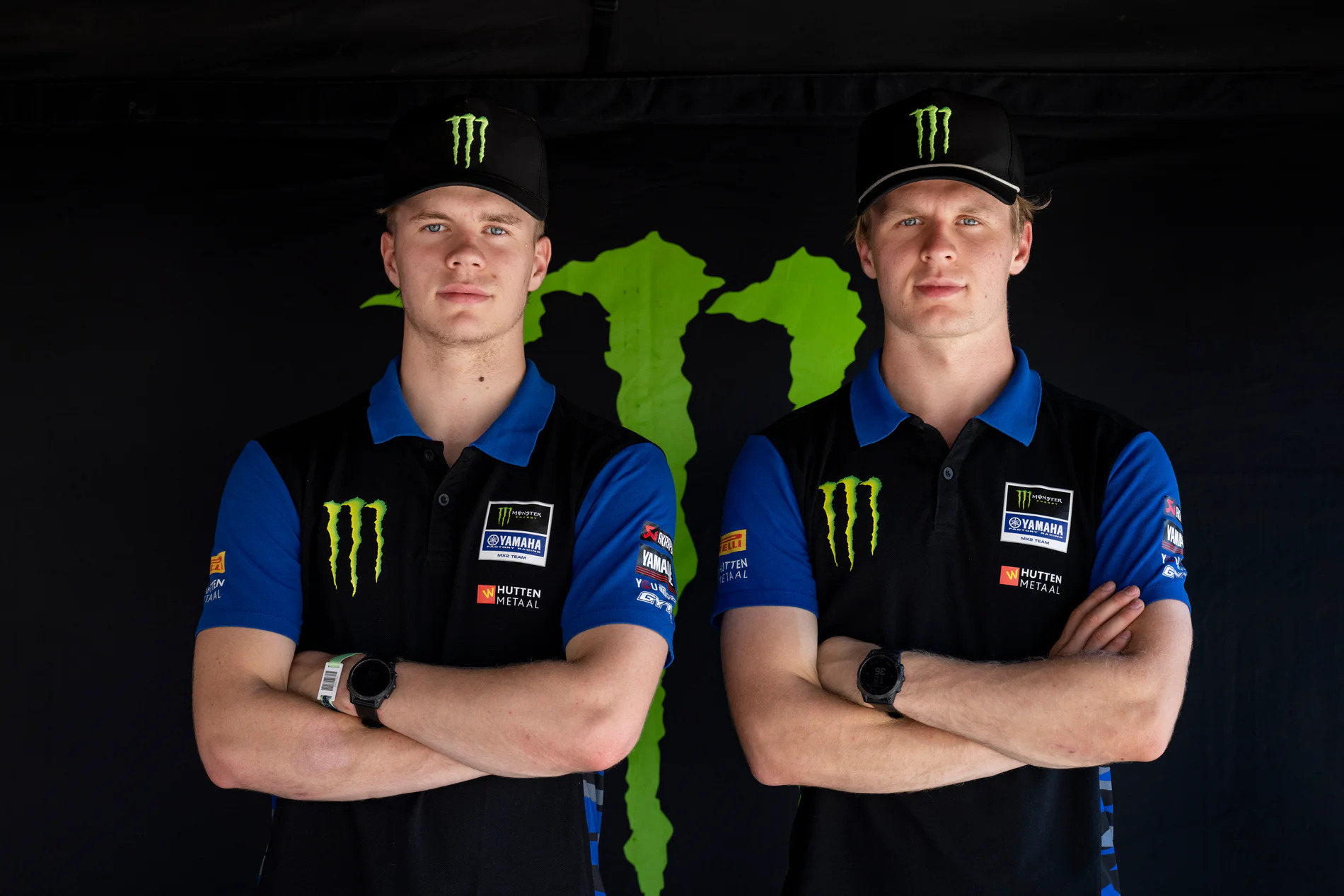
That creates immediate uncertainty for riders and staff attached to the current programme. Cycle News reports that Latvian brothers Kārlis and Jānis Reisulis will need new arrangements for 2027. Both have been part of Yamaha’s development structure and were expected to represent the next generation of the brand’s motocross talent.
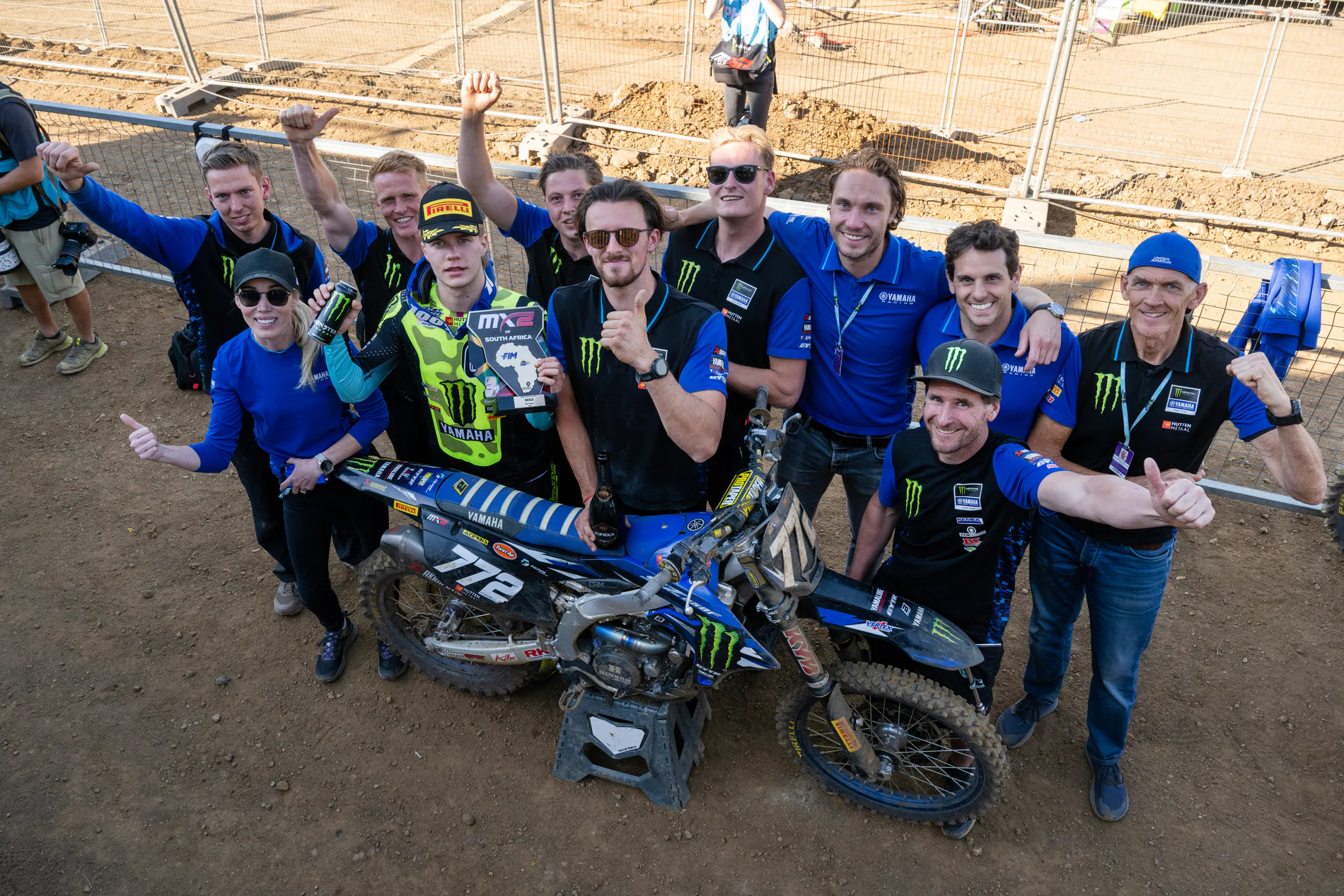
A factory MX2 team does more than chase a junior-class title. It provides a controlled environment in which young riders can develop before moving into MXGP. Removing that step reduces the number of direct routes into Yamaha’s premier-class operation and may force the company to rely more heavily on externally developed riders.
Yamaha leaves behind a successful MX2 record
Yamaha is walking away from a programme with genuine recent success. Maxime Renaux won the 2021 MX2 World Championship, becoming Yamaha’s first rider to claim the title in the class since 2007. The programme also contributed to four manufacturers’ championships and helped establish Renaux as a premier-class contender.
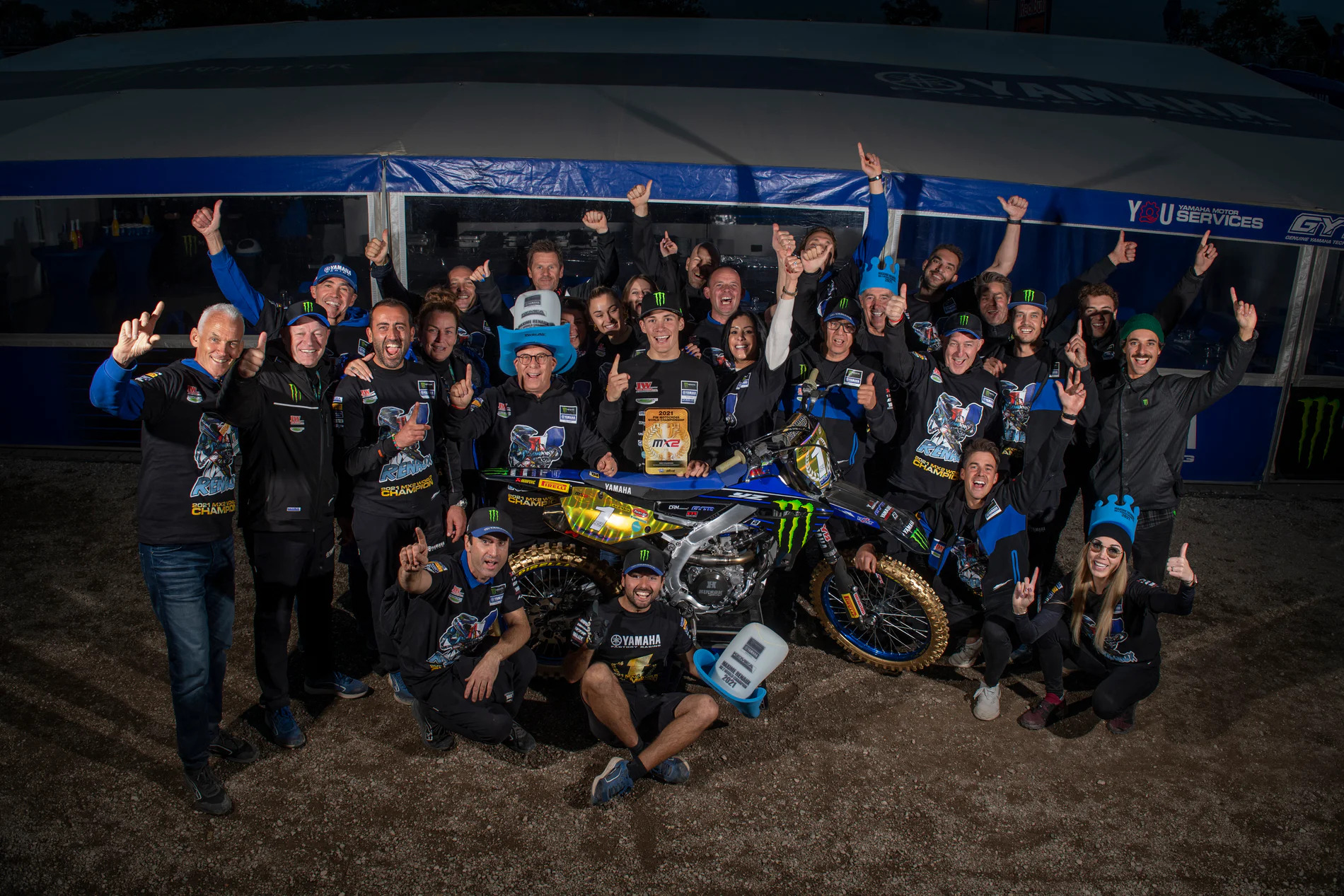
The wider development system produced further results. Hutten Metaal helped guide Thibault Benistant, Rick Elzinga and Andrea Bonacorsi to EMX250 titles before they progressed further through Yamaha’s structure.
Dosoli thanked Hans Corvers and the Kemea organisation, along with Wim Hutten and the Hutten Metaal team, for their contributions. Their work made Yamaha’s programme one of the stronger examples of a manufacturer building riders from European competition towards world-championship level.
The Tim Gajser factor
The restructuring makes more sense when viewed alongside Yamaha’s 2027 rider line-up. Five-time world champion Tim Gajser is contracted to lead the factory MXGP challenge, giving the manufacturer one of the most proven riders in the paddock.
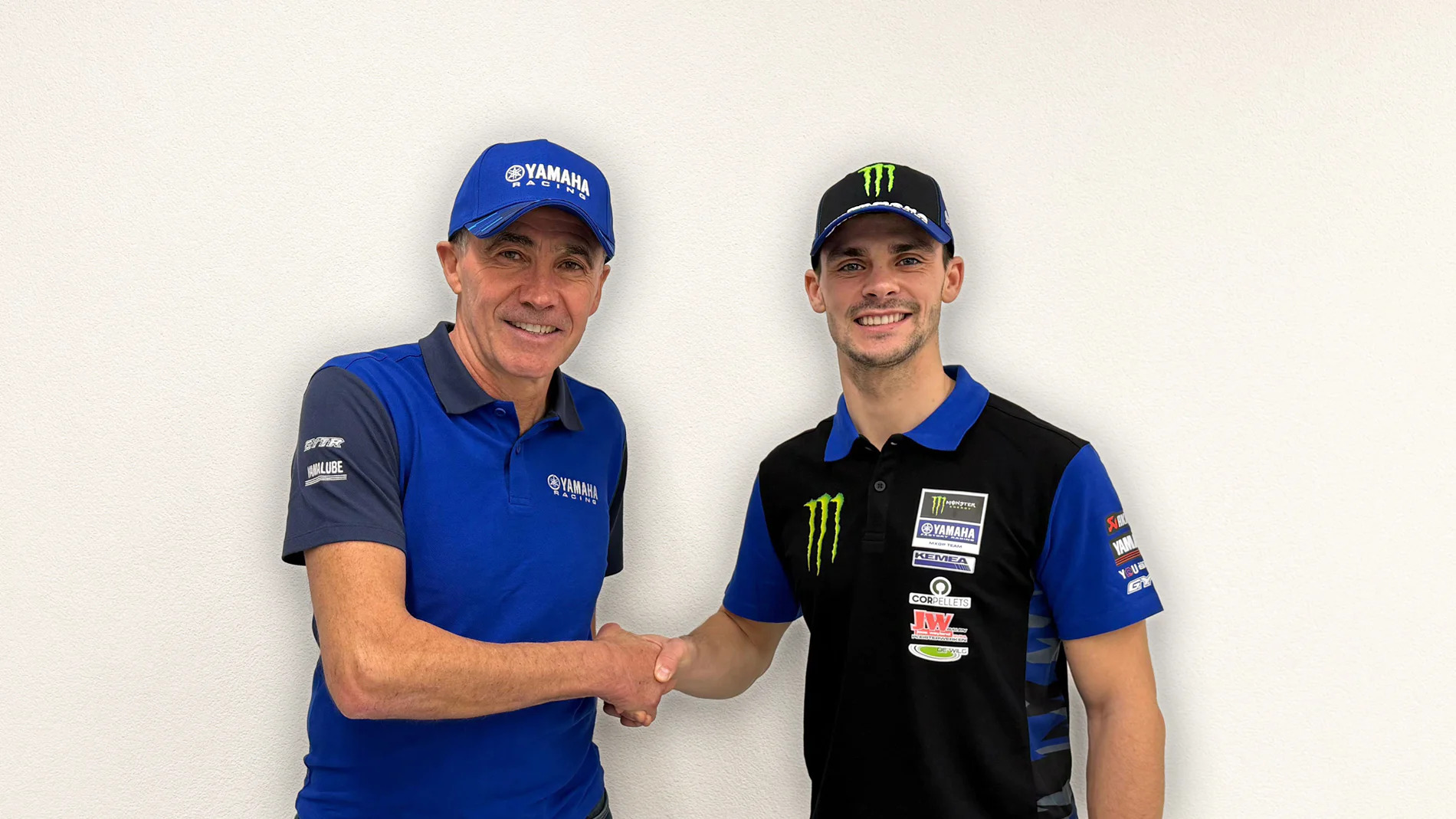
With Gajser on the bike, Yamaha is not building towards a distant target. It expects to fight for the championship immediately. An in-house operation should allow the company to align development closely with his feedback, but it also increases the pressure to deliver. Ending a successful MX2 programme will only appear justified if the concentrated MXGP effort produces results.
What happens to Yamaha’s development pathway?
The unanswered question concerns Yamaha’s youth pipeline. The company says its EMX250 and EMX125 activities will be restructured, but without a factory MX2 team the connection between European-level development and the premier class becomes less direct.
Yamaha could continue to support selected private teams or riders without carrying the full cost of a factory operation. That would preserve a presence in MX2 while freeing budget and personnel for MXGP. The trade-off is less control over rider development and fewer guaranteed seats for young Yamaha prospects.
Torque & Throttle Take
Yamaha’s decision is understandable, but risky. Modern world-championship racing is expensive, and spreading resources across several classes can dilute a manufacturer’s strongest effort. Concentrating engineering, personnel and budget around the MXGP programme could improve Yamaha’s chances, especially with a rider of Gajser’s calibre.
However, the MX2 team was not dead weight. It won championships, developed riders and gave Yamaha a visible route from European competition to the highest level. This is therefore more than an administrative reshuffle; it is a change in how Yamaha intends to find and develop future talent.
The success of the strategy will be measured in results. If Yamaha challenges for the 2027 MXGP crown, the concentration of resources will look decisive. If it does not, the manufacturer may be left explaining why it removed one of the strongest parts of its multi-class factory programme.
Sources
- Yamaha Motor Europe: Strategic motocross restructuring
- Cycle News: Yamaha restructures MXGP programme
- Yamaha Racing: Maxime Renaux profile
