
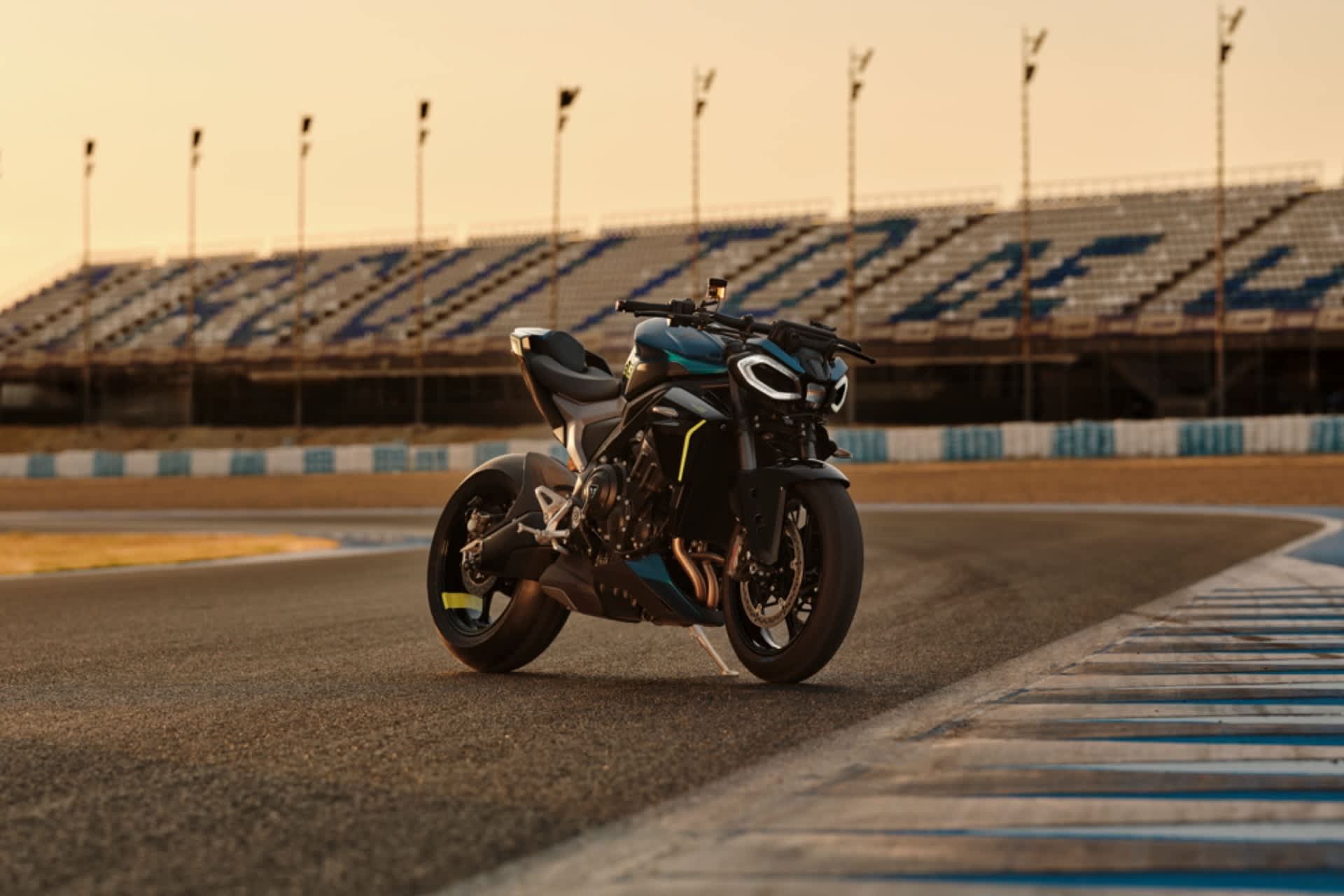
Triumph has revealed the 2027 Street Triple 798 RS, introducing a larger engine, a new aluminium chassis and a substantially expanded electronics package to its performance naked motorcycle.
The headline figures are 133 hp, 86 Nm and a claimed wet weight of 183 kg. Compared with the outgoing Street Triple 765 RS, that means approximately 5 hp more, 6 Nm more torque and 5 kg less weight.
Those gains matter together. Triumph has increased engine capacity while reducing the motorcycle’s overall mass, rather than allowing the larger engine and additional equipment to make the new model heavier.
But the comparison deserves more than a power figure. The 765 RS already offered premium brakes, adjustable suspension and sophisticated rider assistance. The 798’s significance lies in how extensively Triumph has revised that existing package.
What the Moto2 connection means
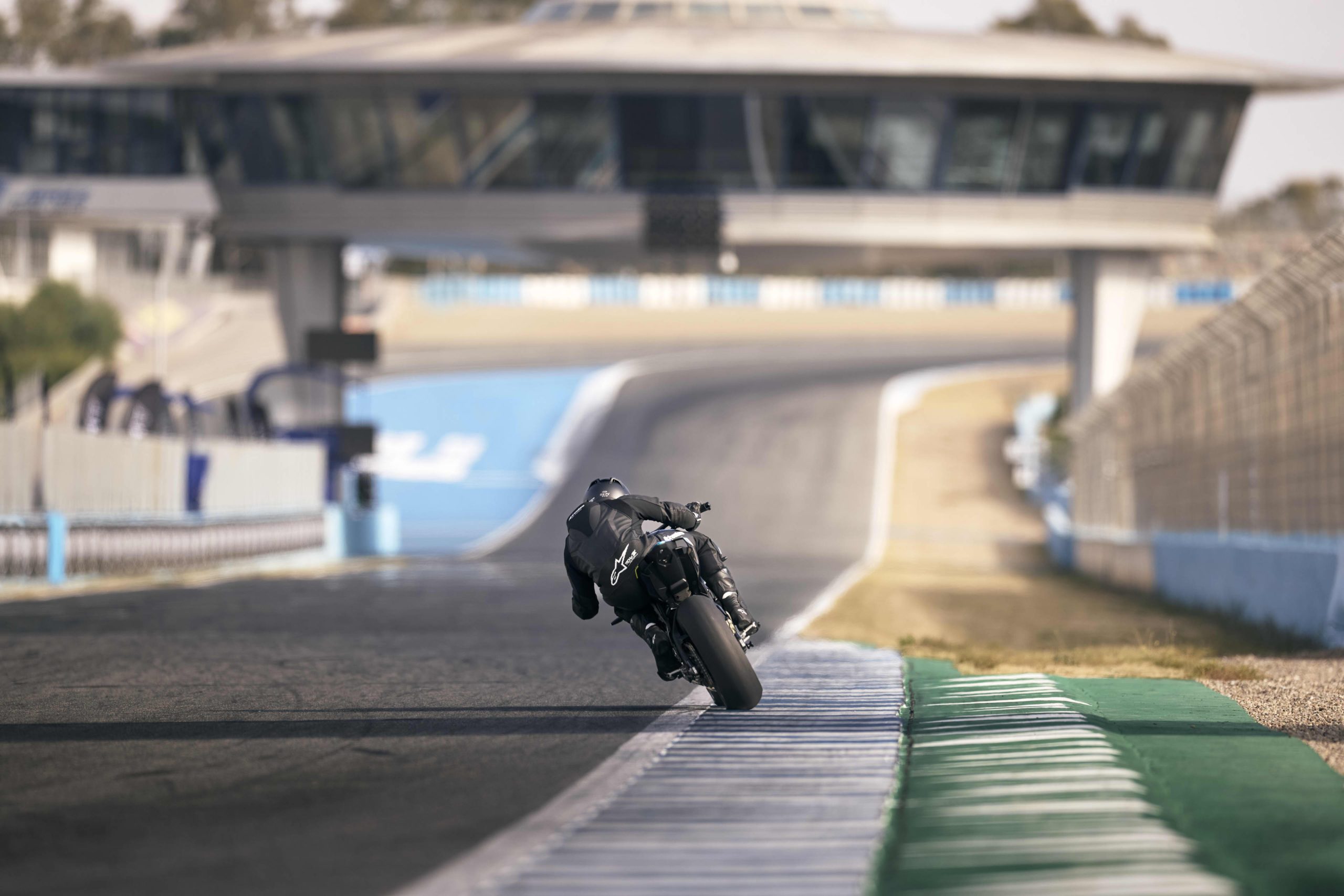
Triumph has supplied the Moto2 World Championship’s engines since 2019. In August, Triumph and MotoGP announced a new race engine for the 2027 season, following development informed by nearly two million kilometres of competition.
That announcement described a redesigned cylinder head, a lighter valvetrain, revised combustion chambers and increased airflow. It also confirmed that the new engine required changes to the racing chassis around it, including its mounting points and intake arrangement.
The Street Triple 798 RS connects the road-going range with that next generation of engine development.
“Moto2-derived” describes the engineering relationship. It does not mean the showroom motorcycle has the same output, exhaust, electronic calibration or operating requirements as a Grand Prix race bike.
The relevant development is the transfer of engine architecture and lessons from racing into a road motorcycle that must also accommodate traffic, passengers, servicing and emissions requirements.
The engine: more capacity and earlier peaks
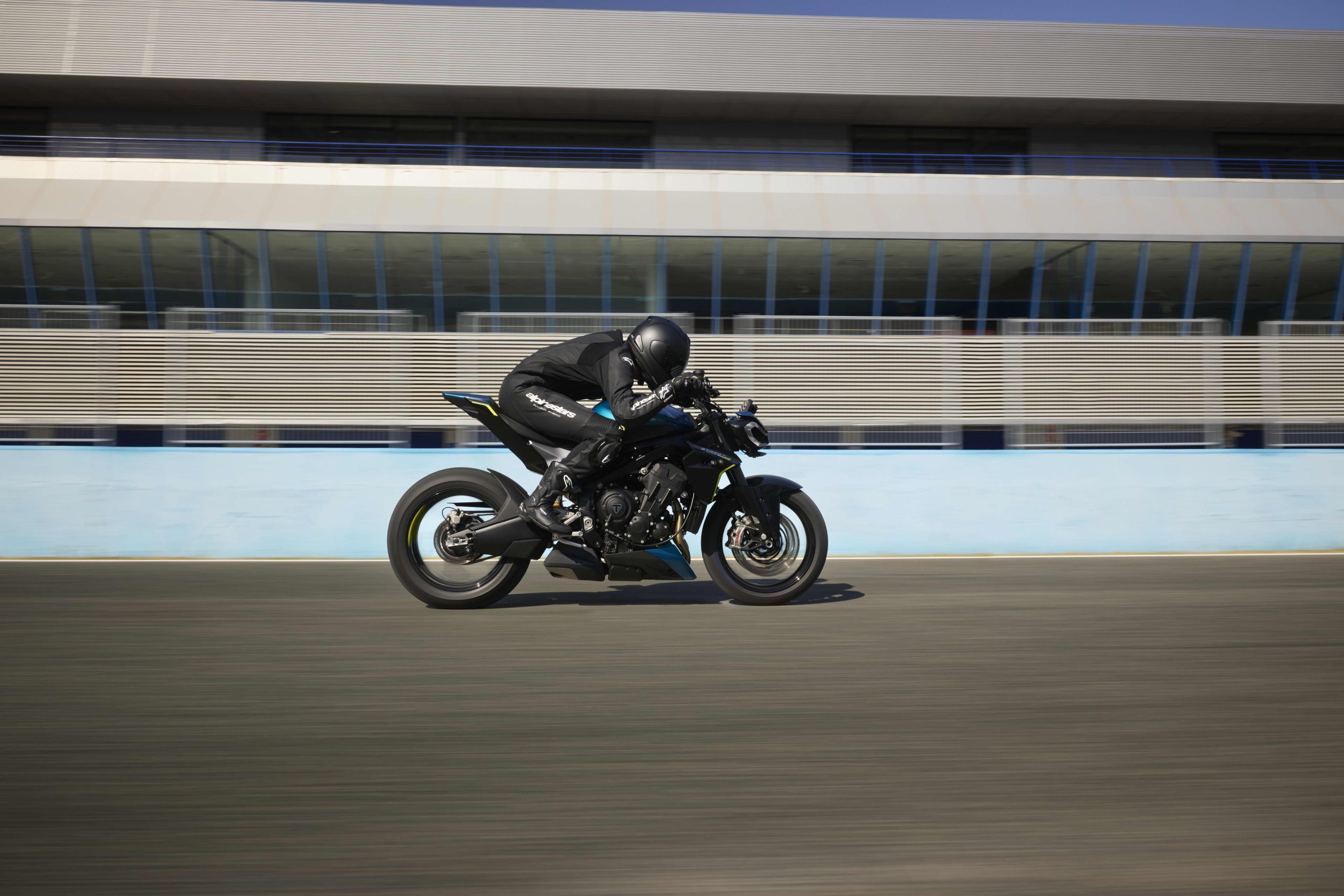
The displacement increase comes primarily through a longer stroke. Bore remains 78 mm, while stroke increases from 53.4 mm to 55.7 mm. Compression rises from 13.25:1 to 13.5:1.
Peak power arrives at 11,500 rpm, compared with 12,000 rpm on the 765 RS. Maximum torque moves from 80 Nm at 9,500 rpm to 86 Nm at 9,250 rpm.
Calculated from those published figures, peak power increases by approximately 3.8%, while peak torque rises by 7.5%. Triumph separately claims a 10% torque improvement throughout the rev range; that broader claim should not be confused with the percentage difference between the two peak figures.
The distinction matters because a motorcycle’s response between corners or during an overtake depends on more than its maximum output. The revised torque curve is therefore a central part of the announcement.
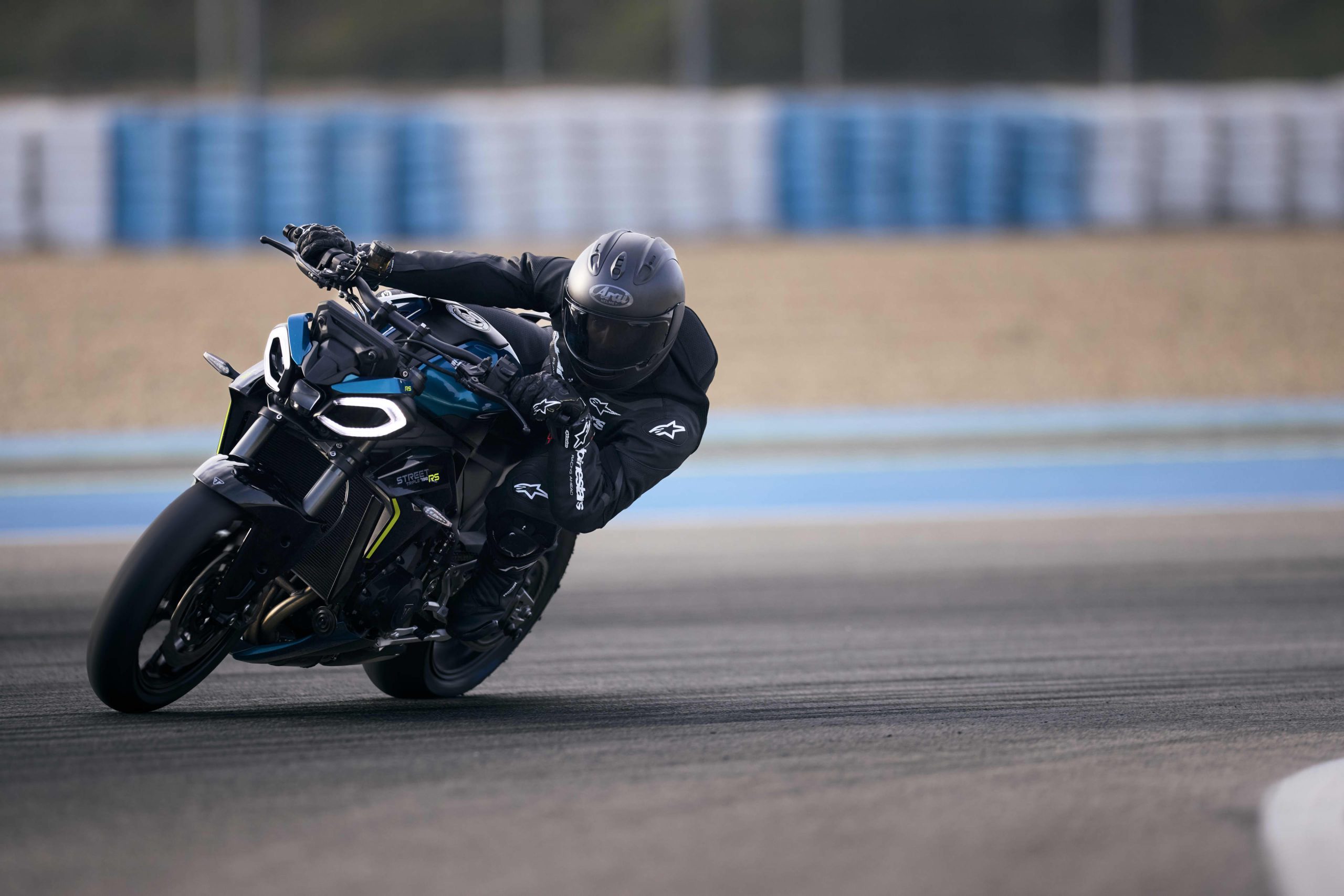
Street Triple 798 RS versus 765 RS
The following comparison uses Triumph’s published road-model specifications. Power is expressed consistently in mechanical horsepower, rather than mixing hp with metric PS.
| Specification | Street Triple 765 RS | Street Triple 798 RS |
|---|---|---|
| Engine capacity | 765 cc | 798 cc |
| Maximum power | 128.2 hp at 12,000 rpm | 133 hp at 11,500 rpm |
| Maximum torque | 80 Nm at 9,500 rpm | 86 Nm at 9,250 rpm |
| Claimed wet weight | 188 kg | 183 kg |
| Standard seat height | 836 mm | 836 mm |
| Fuel capacity | 15 litres | 15 litres |
| Wheelbase | 1,399 mm | 1,409 mm |
| Rake | 23.2° | 23.1° |
| Trail | 96.9 mm | 92.5 mm |
| Rear tyre | 180/55 ZR17 | 190/55 ZR17 |
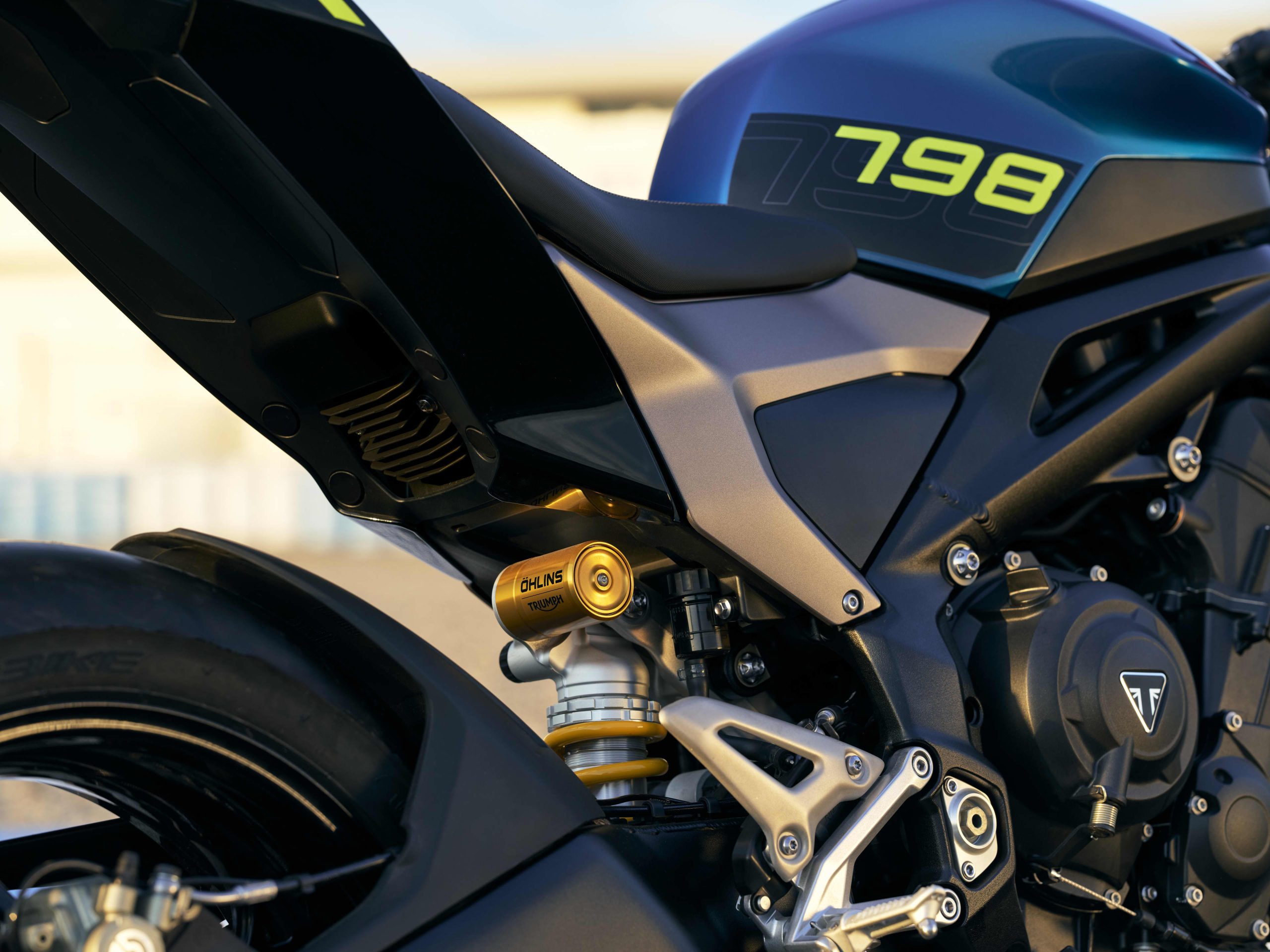
| Rear shock | Öhlins STX40 | Öhlins STX46 |
| Instruments | 5-inch colour TFT | 7-inch touchscreen TFT |
The displacement increase is modest, but the changes extend across the engine, chassis, rear tyre and instruments. Equally, the unchanged seat height and fuel capacity show where Triumph has retained familiar dimensions.
A new chassis, rather than a lighter paint scheme
The new frame and subframe use aluminium construction, accompanied by an aluminium fuel tank and a redesigned exhaust arrangement.
Triumph has also revised the twin-sided swingarm and suspension linkage. The exhaust’s position beneath the engine contributes to the manufacturer’s stated aim of concentrating mass lower in the motorcycle.
The geometry comparison is particularly interesting. Wheelbase increases by 10 mm, while trail decreases by 4.4 mm. Those changes demonstrate why wheelbase alone cannot explain a motorcycle’s steering characteristics.
Triumph’s stated objective is greater agility, supported by the reduced mass, revised geometry and increased ground clearance.
Using the published power and wet-weight figures, the new motorcycle’s power-to-weight ratio improves by approximately 6.6%, excluding the rider. That is a useful mathematical comparison, although it does not establish an acceleration time or lap-time improvement.
Suspension and brakes: recognise the starting point
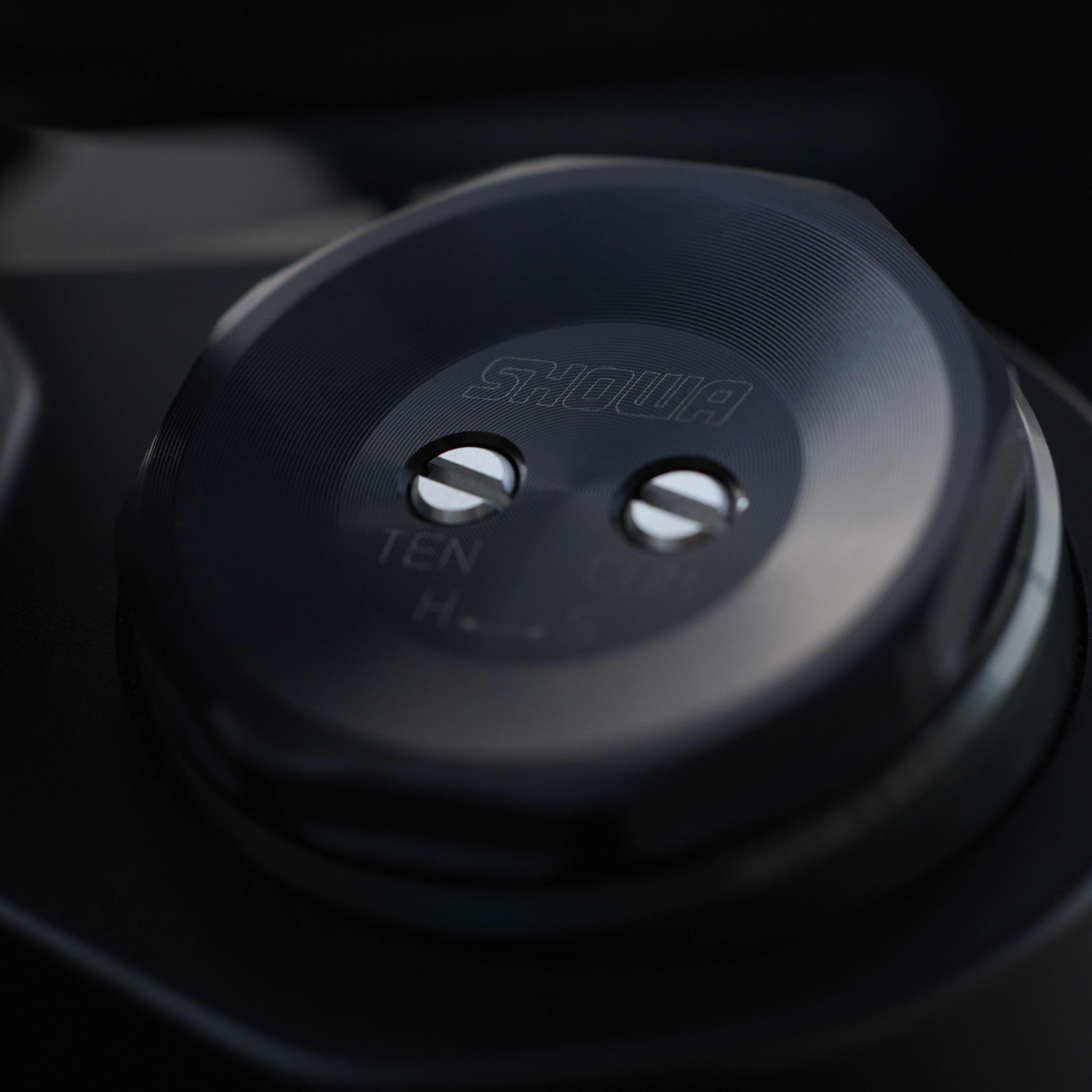
The outgoing 765 RS already combined Showa front suspension, an Öhlins rear shock and Brembo Stylema front calipers. It also had twin 310 mm front discs, cornering ABS and an adjustable Brembo MCS master cylinder.
Those features should not be presented as first-time additions to the Street Triple RS.
The new motorcycle retains the same broad suspension and braking suppliers, with a revised Showa fork arrangement and an Öhlins STX46 rear unit. Front suspension travel increases from 115 mm to 120 mm.
The meaningful comparison is the revised chassis and suspension package around those components. A familiar brand name on the fork or caliper does not make two generations mechanically identical, but neither does its appearance on a new specification sheet automatically represent an upgrade.
For existing 765 RS owners, that distinction gives a clearer picture of what their motorcycle already has.
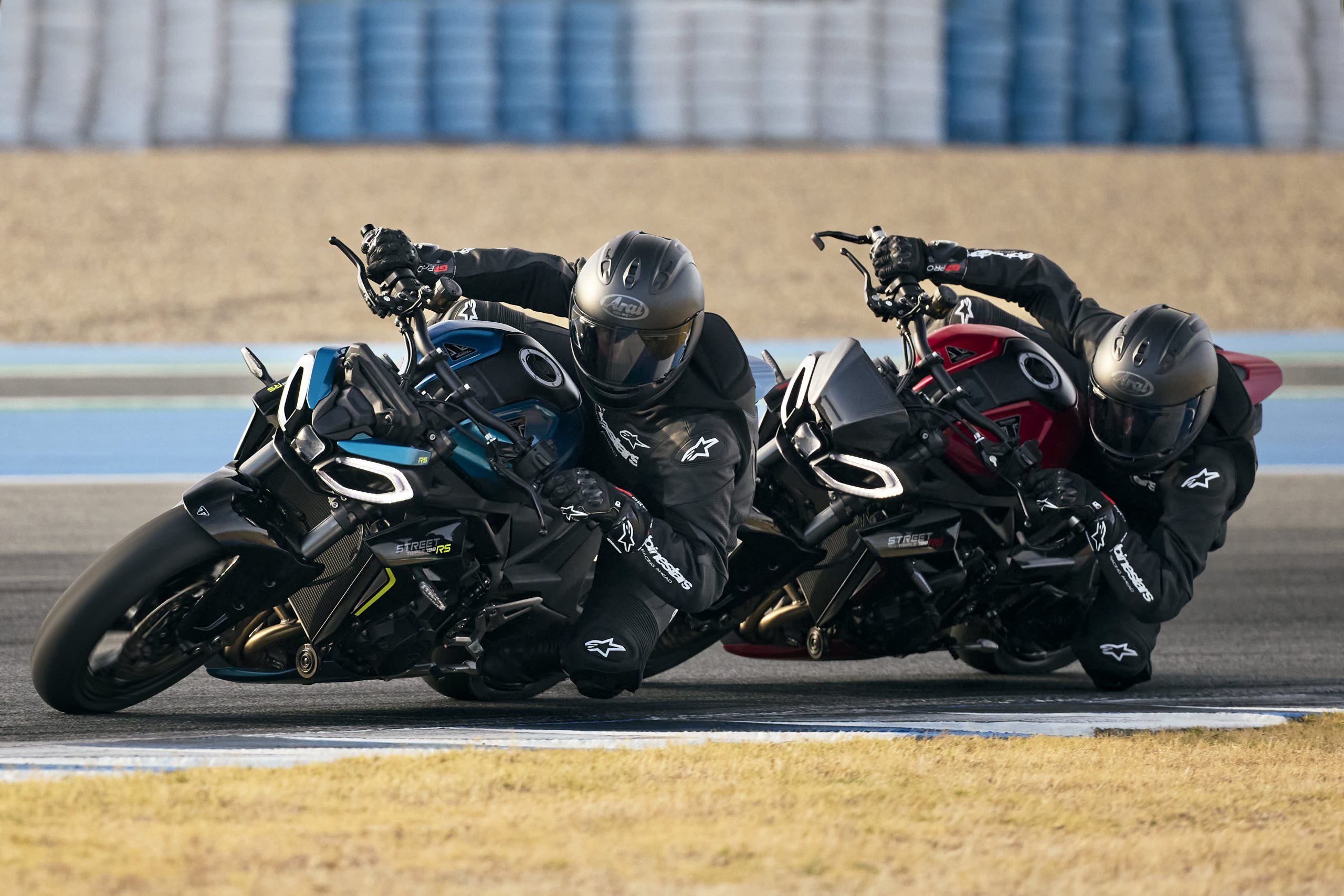
Electronics become more adjustable
The 765 RS introduced this generation of owners to cornering-sensitive ABS and traction control, an up-and-down quickshifter and five riding modes. It also incorporated front-wheel lift management.
The 798 expands the package with seven modes: Rain, Road, Sport, Track, Eco and two configurable settings.
Its announced functions include launch control, engine-braking adjustment and rear-wheel slide management, alongside cornering ABS, traction control and front-wheel lift control.
This is therefore an expansion of existing electronic assistance, rather than the arrival of electronics on an otherwise analogue predecessor.
The two configurable modes are a practical detail. They provide separate spaces for preferred combinations of settings, reducing the need to rebuild one personalised setup whenever the rider changes between different uses.
The distinction between assistance being present and being independently adjustable is an important part of this generational comparison.
A bigger change at the handlebars
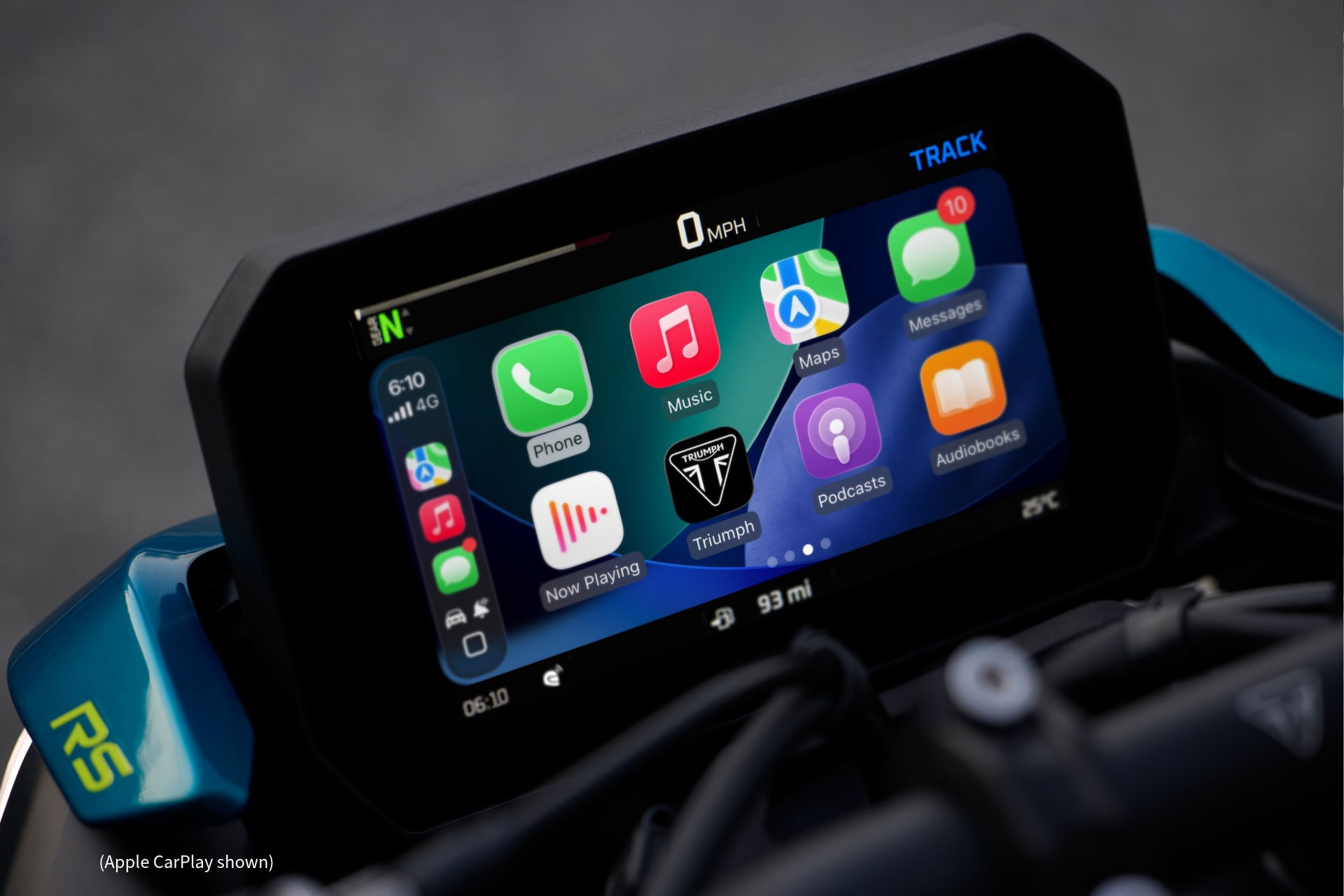
The new Bosch seven-inch touchscreen brings wireless Apple CarPlay and Android Auto to the Street Triple.
Triumph specifies touchscreen operation below 2 km/h, with handlebar controls available while riding. A compatible Bluetooth headset is required to access the full connected functions.
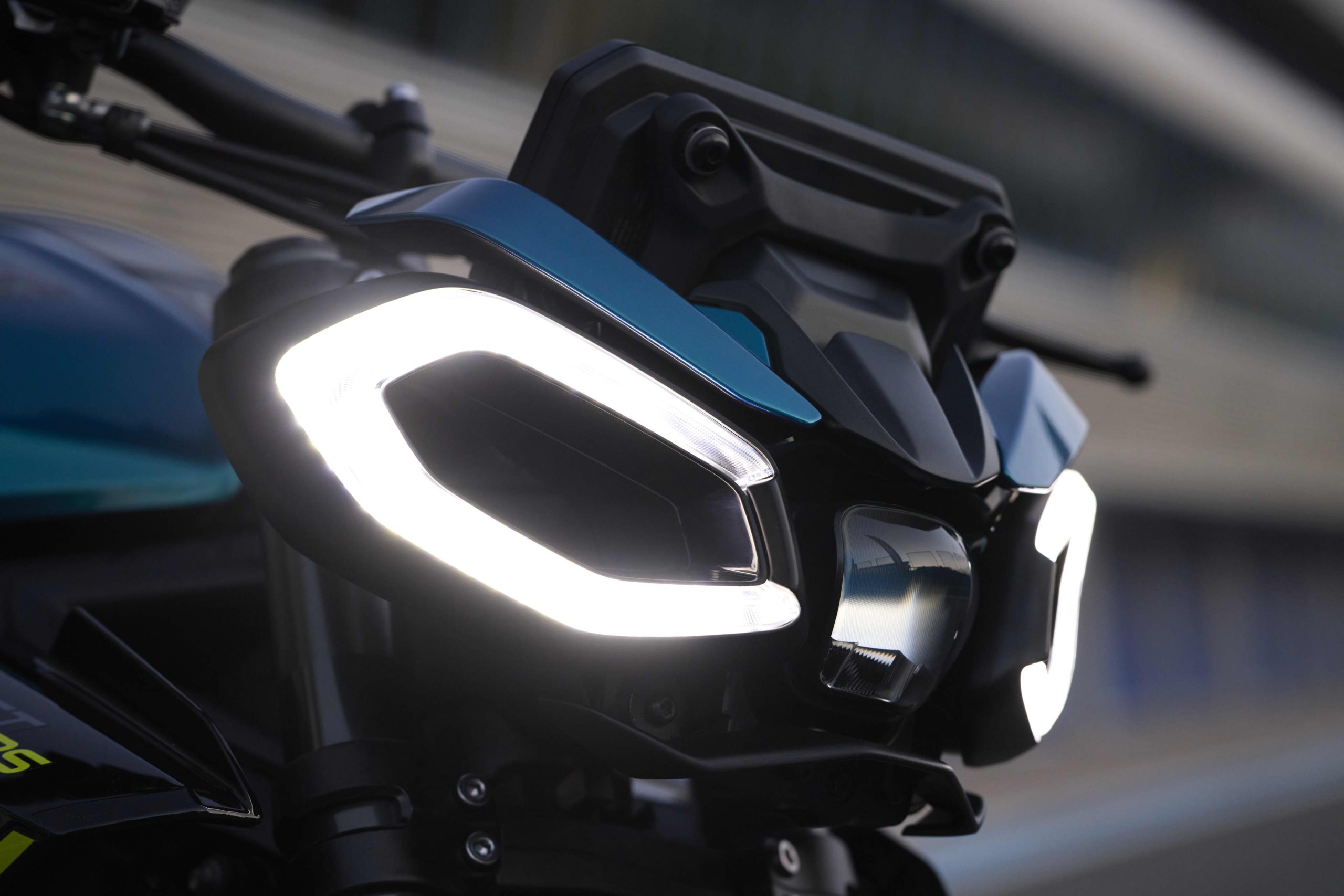
Other additions include adaptive cornering lighting, USB-C charging and cruise control that allows gear changes without cancelling the selected speed.
These features broaden the motorcycle’s road-going equipment alongside its performance changes. Navigation integration and cruise control address different needs from launch control or a lap timer, but both groups now form part of the same motorcycle.
The standard seat remains 836 mm high. Triumph also lists an accessory suspension linkage and low seat that can reduce that figure to 791 mm when combined. Buyers should distinguish that accessory configuration from the standard motorcycle.
Price, arrival and the South African position
Triumph’s launch release lists UK pricing from £12,995 and dealership arrivals from February 2027. However, the UK product page displayed a starting price of £12,925 when checked before publication on 18 November. The difference requires clarification before treating either figure as a settled buying price.
Neither UK figure establishes a South African retail price.
At the time of writing, we have not established confirmed South African pricing, allocation or an arrival date for the 798 RS. Local specification and availability should therefore remain subject to confirmation from Triumph South Africa.
What changes for a 765 RS owner?
The strongest case for the 798 is the combination: more torque, reduced weight, a revised chassis and broader road equipment.
The outgoing motorcycle remains an important benchmark because it already possessed many of the premium components associated with the RS badge. Owners are comparing two well-equipped generations, rather than a basic motorcycle with a newly sophisticated replacement.
On the published specifications, the 798 represents a substantial redevelopment. Whether its additional equipment justifies changing motorcycles will also depend on the eventual local price and the value of an existing 765 RS.
For South African buyers, those financial details will complete a comparison that the technical announcement has now made considerably more interesting.
Sources
Triumph: Street Triple 798 RS official product page
Triumph: Street Triple 765 RS official specifications
Triumph: outgoing Street Triple 765 range announcement
MotoGP: Triumph’s new Moto2 engine announcement
