
Triumph has announced updates to its TF 250-E and TF 450-E enduro motorcycles for 2027, introducing revised suspension, changes to the clutch and gear-selection components, engine refinements and new black bodywork.
The changes concentrate on the parts of an enduro motorcycle that riders interact with constantly: suspension adjustment, gear selection, clutch operation and power delivery. Both models continue as four-stroke singles with six-speed transmissions, retaining the platform introduced for the original enduro range.
For South African buyers, the international announcement establishes what has changed. Local 2027 pricing, final specification and arrival dates still require confirmation from Triumph South Africa.
Revised KYB suspension
Both motorcycles receive updated KYB suspension with revised spring and valving settings, together with tool-free adjusters.
The front suspension uses 48mm KYB AOS coil-sprung forks offering 300mm of travel. An adjustable piggyback rear shock completes the package, with Triumph’s specification sheet listing 313mm of rear-wheel travel.
Tool-free adjustment makes it easier to change settings during a riding session. Suspension setup remains dependent on rider weight, terrain and pace, but removing the need for tools simplifies the process of making adjustments between sections.
New fork guards accompany the suspension revisions. The TF 250-E also receives forged 7075-T6 aluminium Neken triple clamps, which Triumph says have been tuned to refine front-end performance.
These are targeted chassis changes, with the aluminium spine-frame layout continuing as the foundation of both motorcycles.
Clutch and gear-selection changes
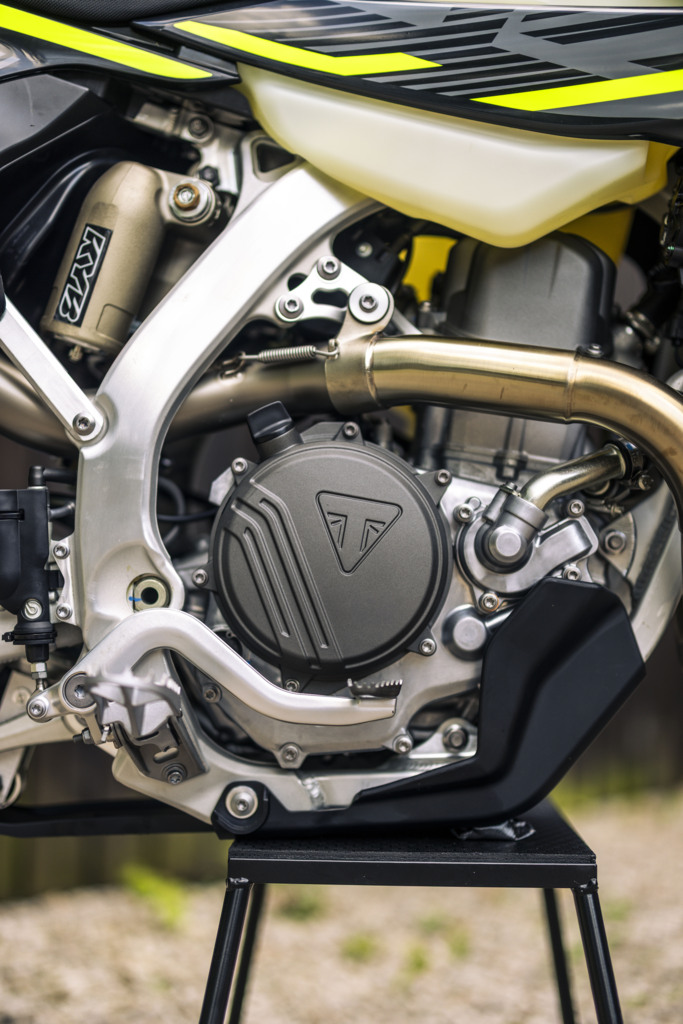
The TF 250-E receives a new clutch pack and bearing, a steel selector star and a revised gear pedal intended to improve ergonomics. Its engine also gains a revised valve-guide design.
The TF 450-E has a longer list of transmission-related changes. Alongside a new clutch pack, bearing and hose, Triumph has revised the selector star, detent arm, gear-selector shaft and gear pedal.
The larger engine also receives DLC-coated rocker shafts, with improved durability identified as their purpose, plus a revised valve-guide design and material.
Both models gain updated engine calibration. Triumph describes the objective as improved rideability, alongside refinements to shifting and rider control.
For enduro riders, these are relevant areas: repeated clutch use and frequent gear changes are central to negotiating technical terrain. However, the announcement does not quantify changes in clutch effort, shift force or component service life.
Two established enduro roles
Triumph developed its original enduro range with input from Paul Edmondson and Iván Cervantes, giving the two engine sizes distinct roles within the same family.
The smaller motorcycle was positioned around responsive performance and technical riding, while the larger model offered additional torque for open terrain, climbs and conditions where riders could make use of a broader spread of power.
The original platform combined an aluminium chassis with enduro-specific ergonomics, electronic rider aids and specialist dealer support. The 2027 revisions continue that development rather than introducing a completely different motorcycle architecture.
That context matters when comparing model years. A changed component can represent refinement, a manufacturing development or a durability improvement; its replacement alone does not establish that the previous version was defective.
Equipment and appearance
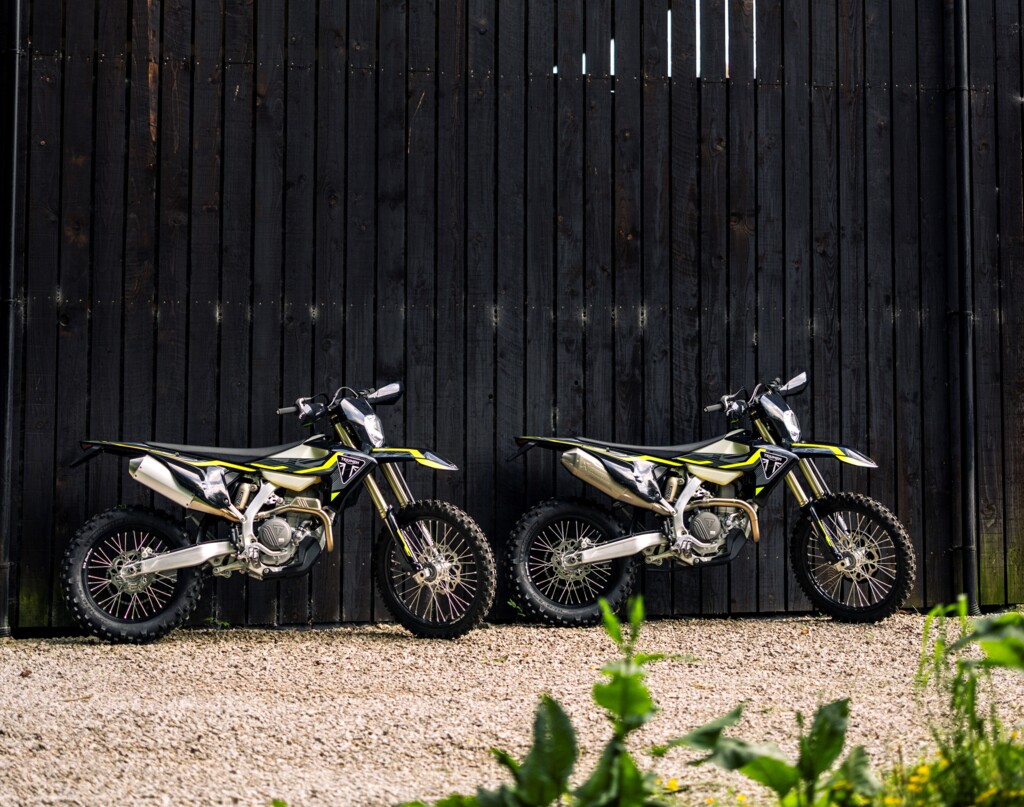
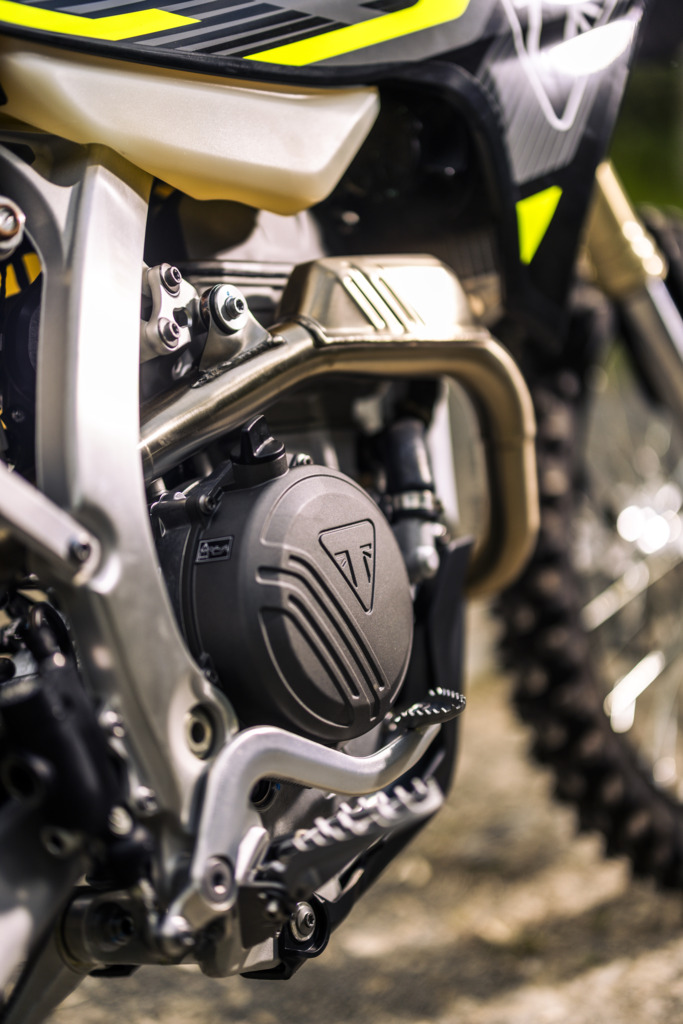
The most visible change is the move to all-black bodywork with fresh graphics.
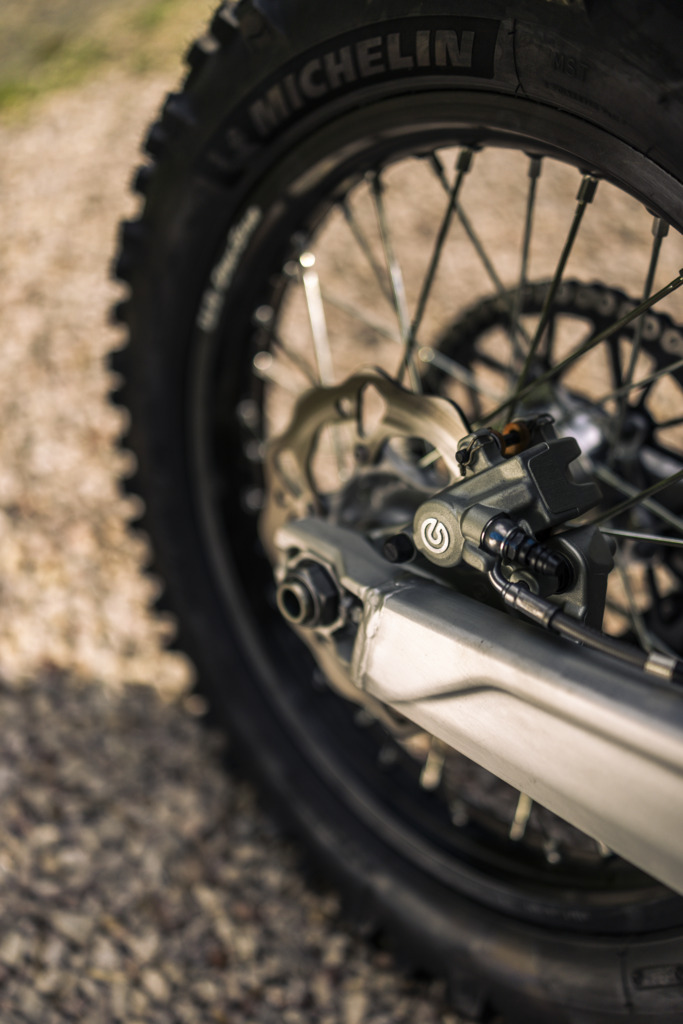
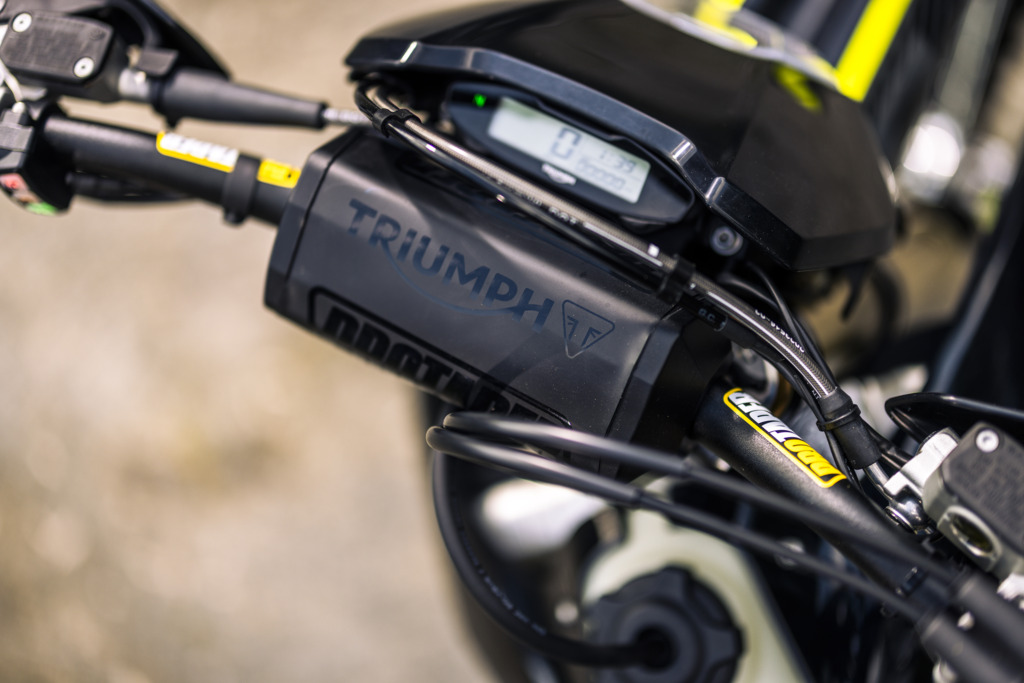
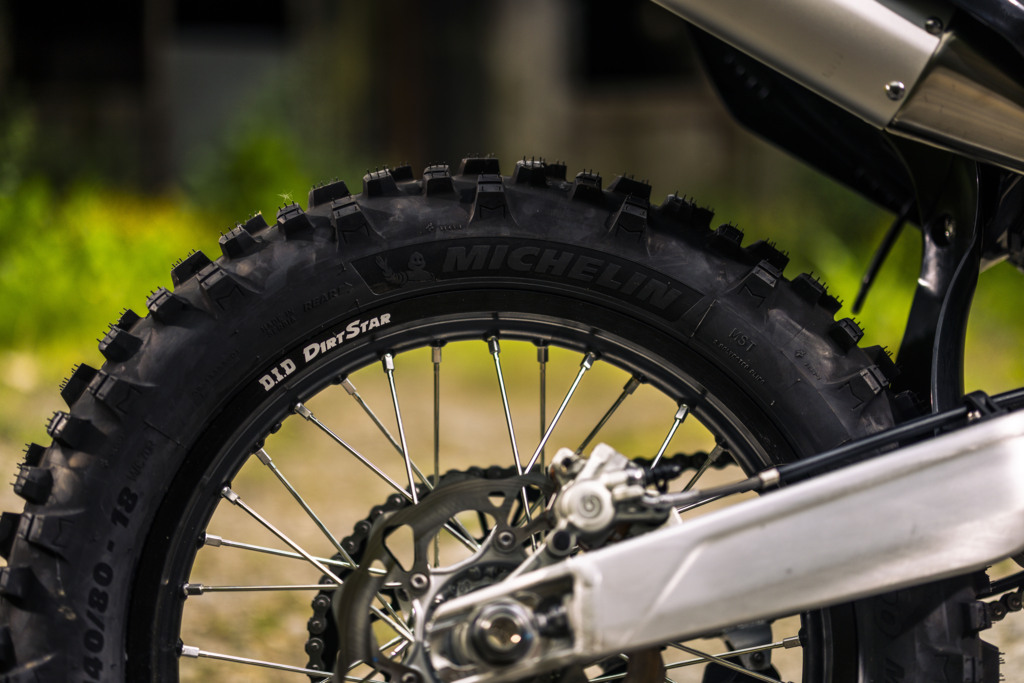
Triumph retains traction control, launch control, a quickshifter and two engine maps as standard equipment. Its published package also includes Brembo brakes with Galfer discs, D.I.D DirtStar rims and Michelin enduro tyres.
The listed fuel capacity remains 8.3 litres. These details underline the motorcycles’ enduro focus, combining off-road running gear with electronic assistance and adjustable rider controls.
Do the updates address owner feedback?
Triumph’s explanation centres on experience gained through its racing program. Chief Product Officer Steve Sargent links the development work to competition involving riders including Jonny Walker, Morgan Lesiardo and Leo Joyon.
That establishes racing experience as an identified influence. It does not establish that every revised part responds to a reported problem on customer motorcycles.
The distinction is particularly relevant to the clutch, selector and valve-train changes. Owners comparing their existing bikes with the 2027 versions should seek model-specific advice before assuming that new parts are required, interchangeable or covered by a service campaign.
The announcement reviewed here does not identify those changes as a recall remedy.
Triumph South Africa lists the current 2026 models on its website. The TF 250-E at R179,000 and the TF 450-E at R195,000, alongside the earlier yellow, black and white appearance.
Sources
- Triumph: official 2027 TF 250-E and TF 450-E announcement and specifications
- Triumph South Africa: current enduro range
- Australasian Dirt Bike Magazine: 2027 Triumph enduro coverage and photographs
